Aligning Slot Volatility Profiles with Layered Incentive Structures for Sustained Play Cycles
Written by Avery Weber · May 19, 2026
Aligning Slot Volatility Profiles with Layered Incentive Structures for Sustained Play Cycles
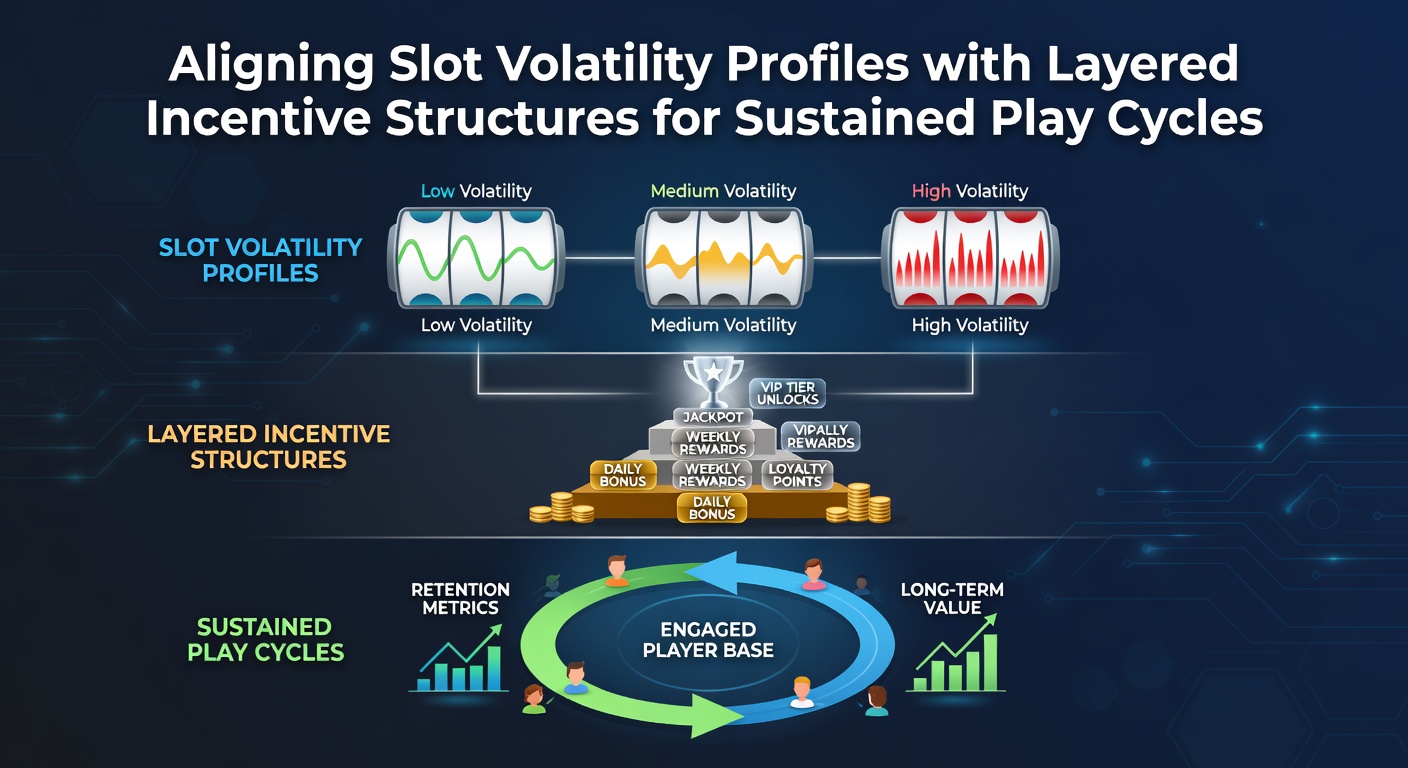
Slot volatility profiles define the frequency and size of payouts across different game types, while layered incentive structures provide progressive rewards that operators deploy to maintain player engagement over extended periods. Data from industry analyses shows that matching these elements creates feedback loops where reward timing corresponds to payout patterns, resulting in longer session durations according to reports from the Nevada Gaming Control Board.
Low-volatility slots deliver frequent small wins that suit steady accumulation mechanics, whereas medium-volatility options introduce moderate swings that pair well with milestone-based bonuses. High-volatility titles feature rare but substantial payouts, which align naturally with jackpot-focused incentives that activate during peak risk moments. Observers note that platforms adjusting these alignments report measurable increases in repeat visits, particularly when reward tiers escalate in response to volatility exposure levels.
Volatility Categories and Their Core Characteristics
Researchers categorize slot volatility into three primary bands based on return-to-player distribution patterns. Low-volatility games maintain payout rates near 95 percent with consistent small returns, allowing incentive layers such as daily login rewards or cashback percentages to reinforce continuous spins without large gaps. Medium-volatility titles balance variance with occasional larger hits, supporting mid-tier promotions like free spin bundles that trigger after set numbers of plays.
High-volatility slots concentrate returns in infrequent events, which creates opportunities for operators to layer escalating jackpot contributions or tournament entries that activate precisely when players encounter extended dry spells. Figures from the Australian Institute of Family Studies indicate that these alignments correlate with stabilized play cycles when incentives scale according to real-time volatility metrics tracked within the game engine.
Layered Incentive Mechanics in Practice
Operators construct incentives through multiple overlapping systems that include welcome packages, loyalty points, reload bonuses, and exclusive tier access. Each layer activates at distinct thresholds, such as deposit volume or spin count, which allows synchronization with volatility profiles. For instance, low-volatility environments benefit from immediate small cashback credits that offset minor losses, while high-volatility sessions gain from delayed but substantial no-deposit spin allocations that replenish bankrolls ahead of potential big wins.
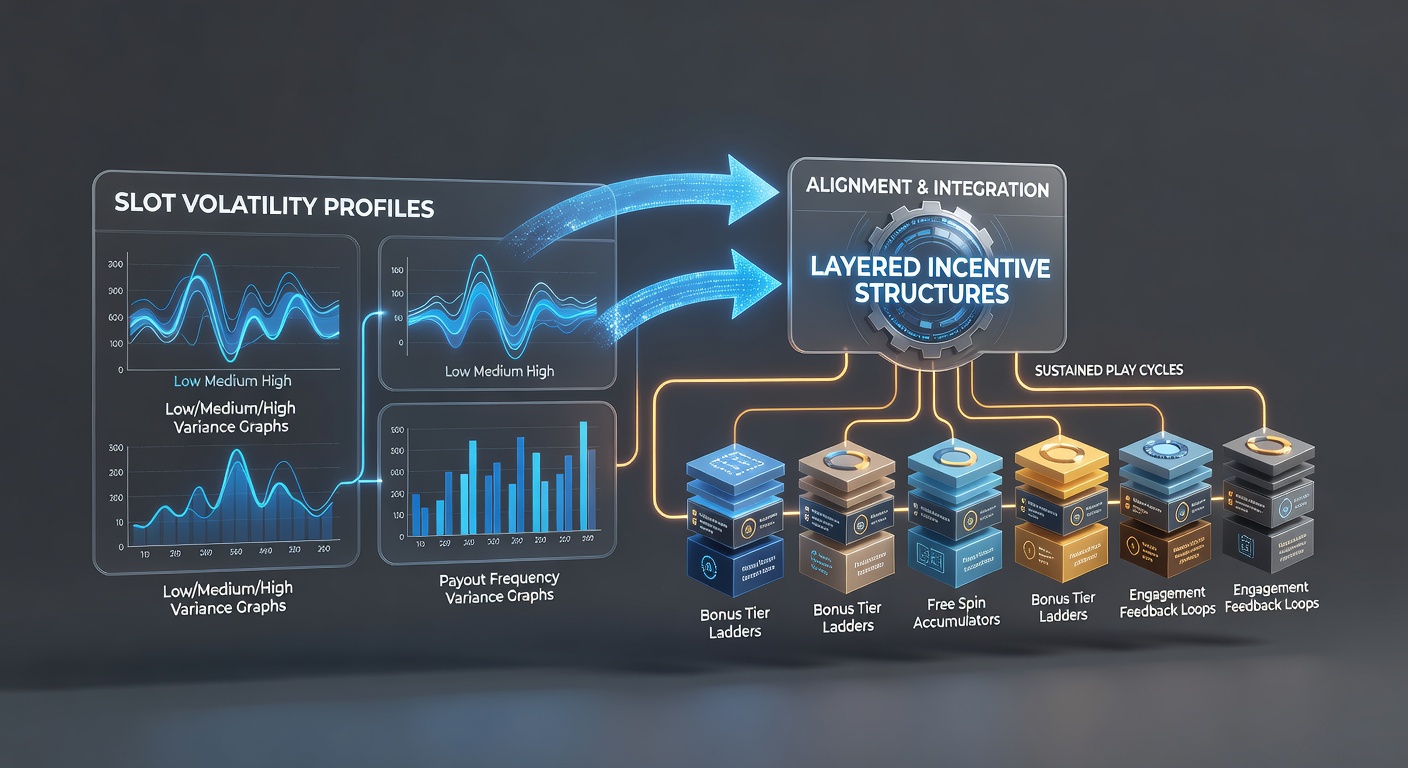
What's interesting is how progressive reward systems adapt dynamically; data indicates that platforms using algorithmic matching between volatility signals and bonus triggers sustain longer cycles, especially during promotional windows in May 2026 when seasonal campaigns introduce additional multiplier layers. Industry organizations such as the European Gaming and Betting Association have documented cases where such integration reduced early session exits by aligning reward delivery with expected variance patterns.
Implementation Approaches Across Platforms
Developers integrate volatility data directly into backend systems that monitor player behavior in real time, then adjust visible incentive options accordingly. One approach involves segmenting game libraries by volatility rating and assigning corresponding reward progress bars that fill faster during high-variance play. Another method uses player history to recommend volatility-matched bonus bundles, ensuring that incentives feel responsive rather than generic.
Take one operator who deployed this matching in mobile applications and observed extended average session lengths when high-volatility recommendations paired with leaderboard entries that unlocked after specific loss thresholds. Yet another configuration employs seasonal events, such as those scheduled around May 2026, to overlay temporary incentive layers that emphasize volatility-specific jackpots, creating additional cycles without altering base game mathematics.
Measurement and Adjustment Processes
Analytics teams track key indicators including session duration, bonus redemption rates, and return distribution curves to evaluate alignment effectiveness. When misalignment occurs, such as frequent small rewards during high-volatility stretches, adjustments involve shifting incentive weight toward rarer but larger triggers. Studies from the University of Nevada, Las Vegas Gaming Research Center reveal that iterative refinements based on these metrics produce more consistent play patterns across diverse user segments.
Platforms also incorporate regulatory feedback from bodies like the Malta Gaming Authority to ensure incentive transparency remains intact while volatility matching operates in the background. This balance supports sustained cycles by maintaining trust alongside engagement mechanics.
Conclusion
Aligning slot volatility profiles with layered incentive structures establishes measurable pathways for prolonged activity through precise timing of rewards relative to payout variance. Evidence from multiple regulatory and academic sources demonstrates that platforms employing these methods achieve stable engagement metrics, particularly when adjustments respond to both game data and seasonal factors such as campaigns active in May 2026. Continued refinement of these alignments depends on ongoing analysis of player response patterns across volatility categories.