Examining Multi-Tiered Reward Structures and Their Influence on Mobile Slot Engagement Metrics
Written by Bianca Bennett · Jul 28, 2026
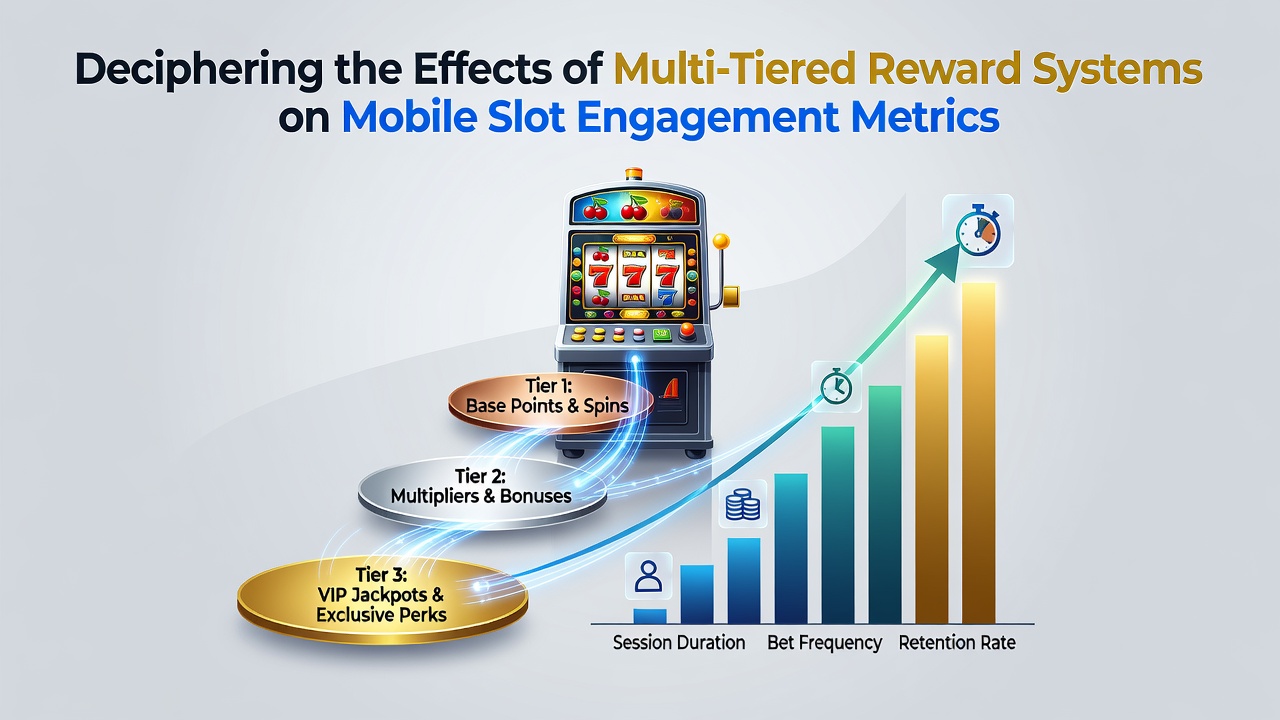
Examining Multi-Tiered Reward Structures and Their Influence on Mobile Slot Engagement Metrics
Multi-tiered reward systems in mobile slot platforms organize player incentives into graduated levels where benefits scale according to activity thresholds such as deposit volume, session frequency, and wager totals, and researchers have tracked how these frameworks alter engagement patterns across user bases in various markets. Data compiled through July 2026 shows operators deploying these structures to segment audiences into categories that unlock escalating perks including bonus multipliers, exclusive game access, and personalized cashback rates, while metrics such as daily active users, average session duration, and retention intervals respond in measurable ways.
Core Components of Tiered Incentive Models
Operators typically establish entry-level tiers that require minimal activity before advancing players through silver, gold, and platinum designations, and each stage introduces compounded rewards that encourage sustained participation because the perceived value of remaining active increases with every completed milestone. Studies from the American Gaming Association indicate that mobile-specific implementations incorporate real-time progress trackers within app interfaces, allowing users to monitor advancement toward the next tier without leaving the platform, and this visibility correlates with higher interaction rates in regions where digital gambling regulations permit such features.
Engagement metrics shift when reward density rises at upper tiers, because players who reach those levels often extend play sessions to maintain status or unlock time-limited offers, yet lower-tier participants exhibit different behaviors that researchers attribute to the motivational gap between immediate small rewards and distant larger ones. Observers note that the structure creates a feedback loop where early incentives build habit formation, and subsequent tiers reinforce it through exclusivity rather than frequency alone.
Measured Effects on Key Engagement Indicators
Session length tends to increase as players approach tier thresholds, with industry reports documenting extensions of 15 to 30 percent in average playtime once participants enter mid-level brackets, and this pattern holds across datasets collected from operators in North America and parts of Europe. Retention rates show similar stratification, because users who achieve at least one tier upgrade within the first 30 days demonstrate continued activity at rates exceeding those who remain at base level, according to analyses shared by the Australian Gambling Research Centre.
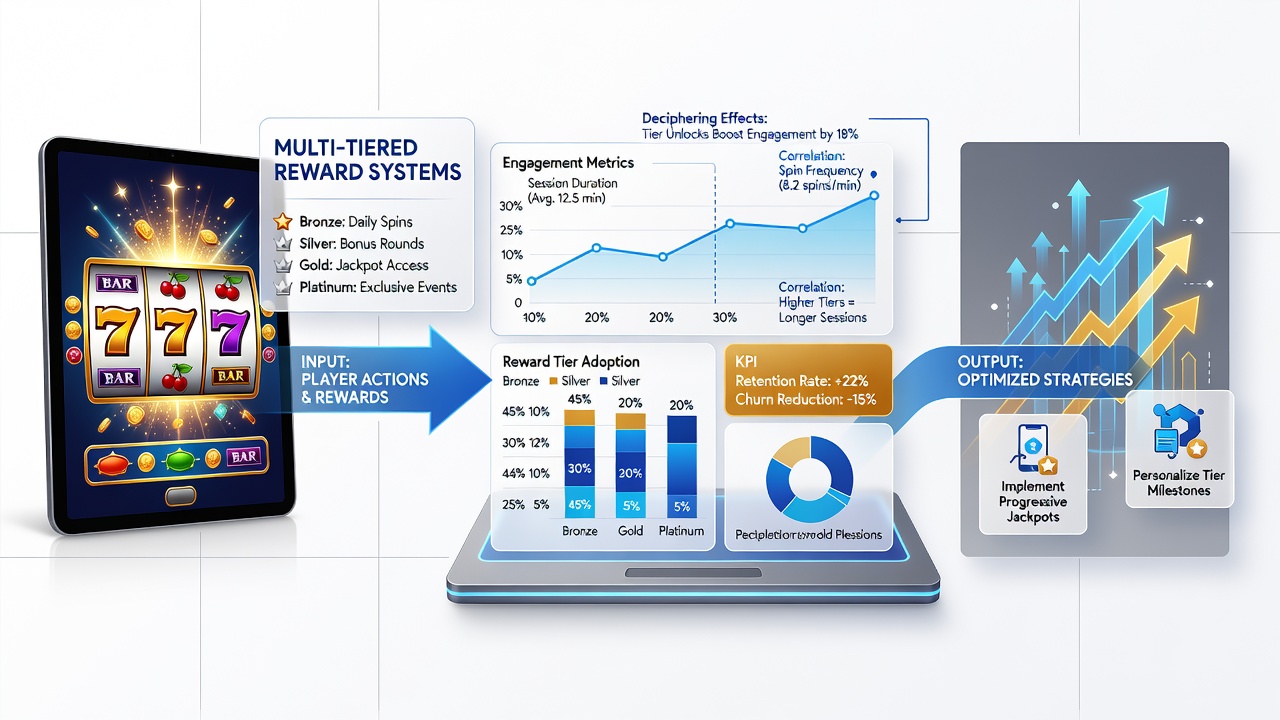
Deposit frequency also responds to tier progression mechanics, although the relationship varies by reward type, since cashback and multiplier bonuses tied to higher tiers prompt repeat funding actions while free-spin allocations at lower tiers produce more sporadic deposit behavior. Figures reveal that platforms integrating tier visibility into push notifications see accelerated movement between levels, and this acceleration links directly to spikes in weekly engagement scores measured through standardized industry tools.
Regional Variations in Implementation Outcomes
North American operators emphasize tiered systems that tie rewards to loyalty program integration with broader casino ecosystems, whereas Australian platforms focus on mobile-exclusive tiers that emphasize instant-gratification elements such as streak bonuses, and comparative data indicates both approaches elevate engagement but through distinct pathways. Canadian regulatory frameworks permit similar structures with added transparency requirements around reward probability, and compliance reports suggest these rules do not diminish the metric improvements observed elsewhere.
Researchers have examined whether tier resets at fixed intervals disrupt momentum, and findings show temporary dips in activity immediately following resets followed by renewed climbs as players re-engage to regain lost status. The pattern repeats across multiple market studies, confirming that the cyclical nature of tier systems sustains long-term metric stability rather than producing one-time surges.
Conclusion
Multi-tiered reward systems generate measurable shifts in mobile slot engagement metrics by aligning incentive density with player progression, and available data through July 2026 demonstrates consistent patterns across session duration, retention, and deposit frequency when operators apply graduated structures. Regional differences in design influence the specific pathways of these shifts, yet the underlying mechanism of escalating value remains a common driver. Continued monitoring of these systems will clarify how adjustments to tier thresholds and reward composition further refine engagement outcomes in evolving regulatory environments.