Referral Networks and Event Timing Combine to Build Cumulative Prize Pools in Mobile Gaming
Written by Petra Schmitt · Aug 23, 2026
Referral Networks and Event Timing Combine to Build Cumulative Prize Pools in Mobile Gaming
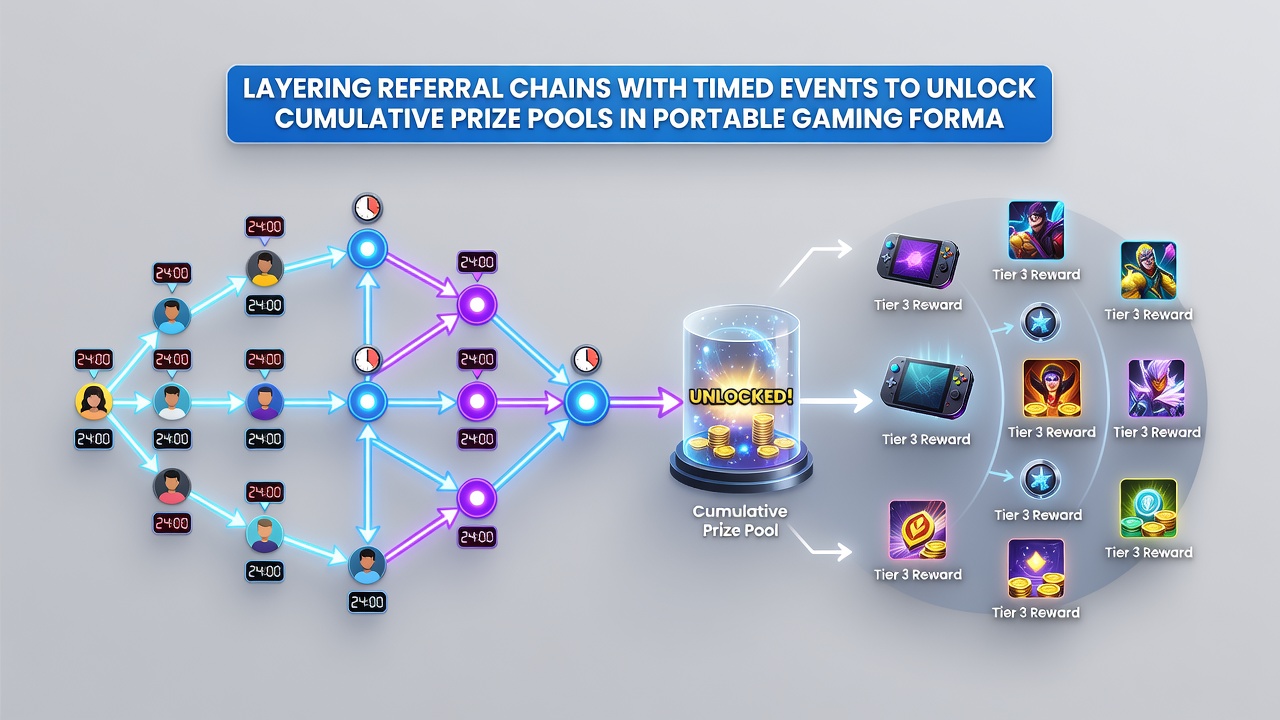
Portable gaming platforms have developed systems that connect referral chains with timed events to create layered access to cumulative prize pools, and these mechanics operate through structured player interactions rather than isolated promotions. Developers design referral programs where each new participant added by an existing user extends a chain that multiplies contribution points toward shared pools, while timed events impose windows during which those points convert into higher-value rewards.
Mechanics of Referral Chains in Mobile Formats
Referral chains function by tracking successive invitations through unique codes embedded in mobile applications, and data from industry tracking shows that chains of five or more participants often trigger multiplier effects on base contributions. Each link in the chain records activity metrics such as session duration and wager volume, which accumulate into a collective ledger visible within the app dashboard. Platforms integrate these chains directly into portable formats so users can monitor progress on smartphones or tablets without requiring desktop access, and this structure allows incremental growth as new referrals complete verification steps.
Integration with Timed Events
Timed events overlay specific intervals onto referral activity, and these windows typically last between 48 and 168 hours depending on the promotion cycle. During an active window the accumulated referral points gain eligibility for conversion into prize pool entries, whereas points earned outside the window remain at base value. Observers note that platforms schedule these events to coincide with peak mobile usage periods, such as evenings or weekends, to maximize chain participation rates. The combination means users who activate referrals immediately before an event begins can layer additional multipliers onto existing chains.
Cumulative Prize Pool Construction
Cumulative prize pools aggregate contributions from all active referral chains that meet event criteria, and the total value scales with the number of verified participants across the platform. In August 2026, mobile gaming operators reported pool values reaching several million units in virtual currency equivalents when referral chains exceeded average lengths of eight links during concurrent timed events. These pools distribute rewards through tiered structures where longer chains or higher activity volumes unlock access to larger segments of the total. The system maintains transparency by displaying real-time pool growth metrics within the mobile interface, allowing participants to track how additional referrals influence final distribution amounts.
What's interesting is how portable formats enforce these layers through push notifications that alert users when a timed event approaches or when a referral chain reaches a new threshold. This keeps engagement continuous across devices while preserving the factual progression rules defined in the app's terms.
Technical Implementation in Portable Gaming
Developers implement these features using backend servers that synchronize referral data with event timers across global user bases, and synchronization occurs at intervals as short as every five minutes to reflect live chain extensions. Mobile applications employ secure token systems to prevent duplicate referrals, ensuring each new participant registers through a single verified path. According to figures from the New Jersey Division of Gaming Enforcement, mobile platform participation in pooled reward systems grew by 22 percent year-over-year through mid-2026, driven partly by the visibility of cumulative totals on handheld screens. The architecture supports cross-device continuity so a chain started on one phone continues seamlessly when the user switches to another portable device.
Geographic and Regulatory Context
Regulatory frameworks in various regions address these combined mechanics through requirements for clear disclosure of pool contribution rates and event eligibility rules. Research from the Australian Institute of Family Studies on digital gaming behaviors indicates that users in regions with established mobile gambling frameworks engage more frequently with layered referral systems when timers align with local time zones. Platforms adjust event scheduling accordingly, creating staggered windows that accommodate different geographic clusters without overlapping conflicts in pool calculations. This approach maintains consistent rules while adapting to regional participation patterns observed in 2026 data sets.
Examples of Layered Activation Sequences
One documented sequence involves a base referral chain of four participants reaching activation during a 72-hour timed event, after which additional referrals during the window increase the multiplier applied to the shared pool entry. Another pattern shows users extending chains through secondary invitations that only count once the primary event timer has started, thereby concentrating activity within the designated period. These sequences rely on automated verification that cross-checks invitation timestamps against event schedules before adding points to the cumulative total.
Conclusion
Referral chains layered with timed events provide structured pathways for accessing cumulative prize pools in portable gaming, and the systems rely on precise tracking, synchronization, and geographic adjustments to function across mobile environments. Data from regulatory and research sources continue to document participation trends and technical requirements as these formats evolve through 2026 and beyond.