UK Government Nearly Doubles Remote Gaming Duty to 40% on Online Slots and Casinos: £1 Billion Revenue Windfall Looms Amid Industry Turmoil
Written by Petra Schmitt · Apr 21, 2026

UK Government Nearly Doubles Remote Gaming Duty to 40% on Online Slots and Casinos: £1 Billion Revenue Windfall Looms Amid Industry Turmoil
On April 1, 2026, the UK government implemented a dramatic increase in the Remote Gaming Duty (RGD), nearly doubling the tax rate on online slots and casino games from 21% to 40%, a move designed to rake in over £1 billion in additional annual revenue while reshaping the landscape for licensed operators and players alike.
The Mechanics of the RGD Hike
Operators now face this steep 19% jump in taxation specifically targeting remote gaming products like slots and casino table games, whereas sports betting and other categories remain unaffected at lower rates; the change stems directly from budget announcements, with HM Treasury's policy paper projecting that figure of more than £1 billion yearly based on current market volumes and growth trends.
What's interesting is how this lands right in the thick of ongoing regulatory tightening, forcing companies to scramble; they must either swallow the extra costs, which squeeze profit margins already under pressure, or adjust return-to-player (RTP) percentages downward to offset the hit, potentially making games less appealing to punters who chase those higher payout potentials.
And yet, observers note that such tweaks aren't straightforward, since lowering RTPs requires careful navigation of Gambling Commission approvals, all while maintaining the illusion of fair play for the average slot spinner logging in from Manchester or London.
Ripple Effects: Operators Between a Rock and a Hard Place
Major players in the space, like Flutter Entertainment and Evoke, have already sounded alarms in their financial disclosures; Flutter, the powerhouse behind brands such as Paddy Power and Betfair, reported anticipated headwinds from the duty escalation, with executives highlighting potential revenue dips unless they pass costs along in subtle ways, such as trimmed promotions or altered game mechanics.
Evoke, formerly known as William Hill online, echoed similar concerns, noting in quarterly updates that the combined tax burden could erode up to 10-15% of gross gaming revenue from slots and casino verticals, prompting boardroom debates over restructuring or even scaling back UK-focused operations.
But here's the thing: these aren't isolated gripes; industry-wide data from the Betting and Gaming Council reveals that aggregate operator profits in the remote sector plummeted 8% in early 2026 quarters leading up to the hike, setting the stage for deeper contractions now that the 40% rate bites fully.
Player Migration Risks and the Offshore Shadow
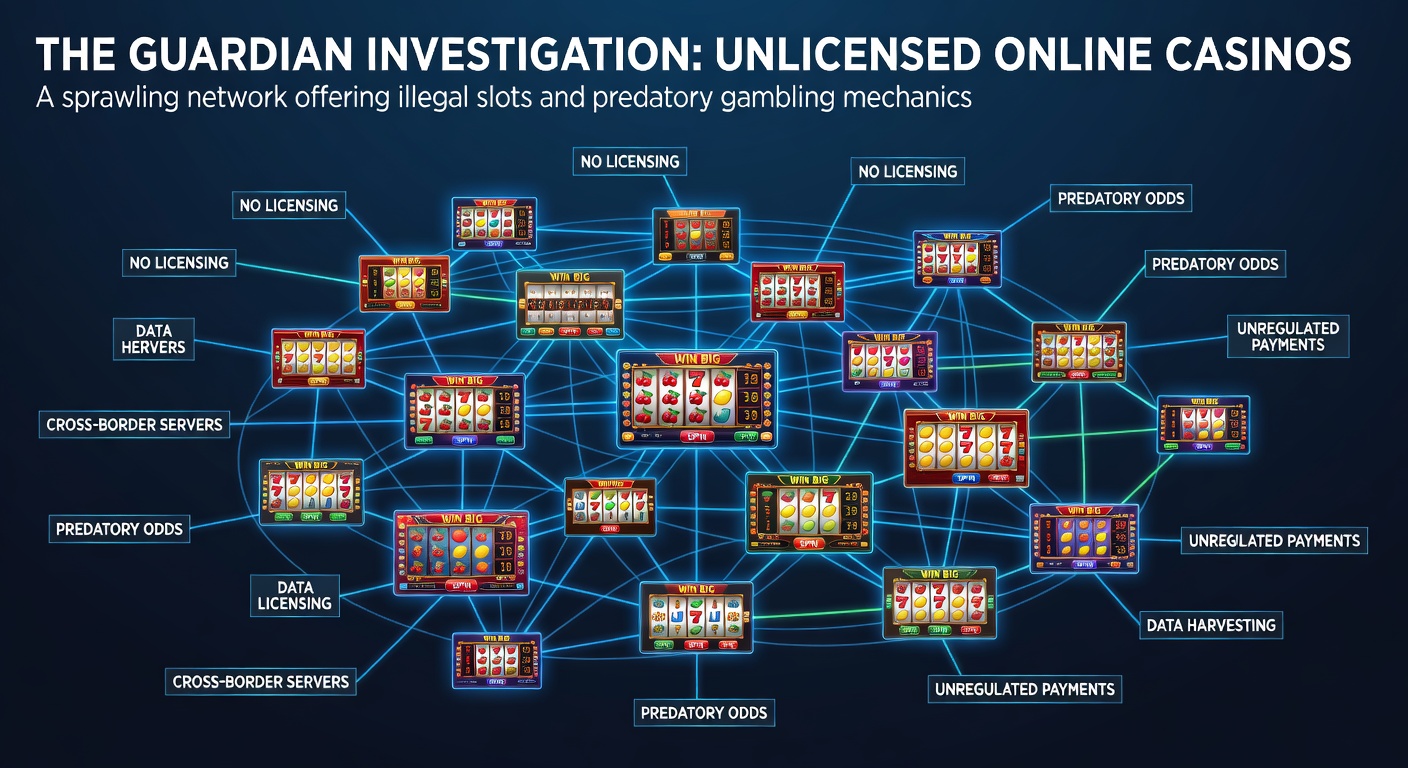
Experts have long warned that punitive tax hikes like this one push players toward unregulated offshore sites, where RTPs stay sky-high and bonuses flow freely without UK oversight; figures from the Gambling Commission indicate that black market activity already claims 5-10% of the UK online gambling pie, and this RGD doubling could swell that to 15% or more within a year, according to modeling by trade analysts.
Take one scenario researchers outlined: a typical slots enthusiast, frustrated by dimmed RTPs on licensed platforms, drifts to a Curaçao-licensed operator offering 97% payouts versus the post-hike 94% norm, bypassing self-exclusion tools and consumer protections in the process.
That's where the rubber meets the road for regulators, since while the Treasury celebrates that £1 billion haul—earmarked partly for problem gambling levies—the unintended consequence might flood unregulated waters with British punters chasing better odds.
Layered Reforms Amplify the Pressure
This duty surge doesn't arrive in a vacuum, coinciding as it does with earlier 2026 overhauls from the UK Gambling Commission, including stringent bonus caps that limit welcome offers to £100 maximum and outright bans on mixed promotions blending free bets with casino spins, rules that kicked in on January 19 and immediately clipped marketing wings for operators.
So, while slots sites once lured newcomers with stacked deals—say, £50 free spins atop a deposit match—those tactics now face hard ceilings, compounding the tax pain and leaving promo budgets stretched thinner than ever; data from affiliate networks shows a 22% drop in new player acquisitions since January, a trend the RGD hike threatens to accelerate.
People who've tracked these shifts point out how the combo creates a perfect storm, where operators cut corners on player incentives just as their tax bills balloon, nudging the market toward consolidation with smaller outfits potentially folding under the weight.
Leadership Shake-Up at the Gambling Commission
Adding fuel to the uncertainty, UK Gambling Commission CEO Andrew Rhodes announced his departure for April 30, 2026, just weeks after the RGD change takes effect; Rhodes, who steered the regulator through affordability checks and advertising curbs since 2022, leaves amid criticism from industry voices that his tenure overly favored harm prevention at the expense of commercial viability.
Now, with his exit, questions swirl over interim leadership and whether the next chief will temper the pace of reforms or double down, especially as Commission consultations on stake limits for online slots—pegged at £2 maximum per spin—loom on the horizon for later 2026.
It's noteworthy that Rhodes' goodbye coincides precisely with these fiscal fireworks, prompting speculation among Westminster watchers that Whitehall timed the duty rise to capitalize on his framework before any policy pivots.
Industry-Wide Contractions and Black Market Debates
The broader picture paints a sector in flux, with layoffs rippling through London tech hubs and Manchester call centers as firms like Entain and Bet365 trim slots divisions; reports from trade bodies highlight over 2,000 job losses tied to 2026 regulations so far, and the RGD escalation stands to claim hundreds more by year's end.
Debates rage in parliamentary committees too, where MPs grill Treasury officials on whether the £1 billion gain truly offsets risks of a burgeoning black market; one study from the University of Leeds found that similar tax spikes in other European markets drove 12% player leakage offshore within 18 months, a pattern UK stakeholders fear repeating here.
Yet, proponents argue the revenue funds vital NHS addiction services and track-and-trace tech for safer gambling, creating a delicate balance that operators must now navigate daily.
And consider this case: a mid-tier casino operator in Gibraltar, servicing UK players, shuttered its slots arm entirely post-hike announcement, redirecting staff to poker tables less hammered by the 40% levy—a stark example of segmentation underway across the pond.
Conclusion
As April 2026 unfolds, the Remote Gaming Duty's leap to 40% marks a pivotal flashpoint for UK online gambling, channeling over £1 billion into public coffers while testing operators' resilience against cost absorption, RTP recalibrations, and promo straitjackets from January reforms; with Gambling Commission CEO Andrew Rhodes bowing out on the 30th, industry contractions deepen, black market whispers grow louder, and firms like Flutter Entertainment alongside Evoke brace for sustained financial ripples.
Turns out, the ball's now squarely in the operators' court to adapt without alienating their core slots and casino crowd, all under the watchful eyes of a Treasury eyeing every penny and a regulator plotting its next moves—leaving the sector at a crossroads where innovation might just be the ultimate survival play.